








































Avoid These 7 Foods at Night if You Want a Deep, Restful Sleep
Discover seven foods that disrupt digestion and sleep, and improve your nighttime rest by avoiding them after dinner.

We do not pay much attention to the food and drink we consume and eat anything at any time, which later proves harmful for us. Let us tell you how to take care of this.
Eating acidic fruits like oranges at night can spark heartburn and restlessness

Oranges and other citrus fruits might be healthy by day, but their high acidity becomes a sleep disruptor when consumed close to bedtime. Their acidity often leads to acid reflux or a burning sensation in the chest just as you're trying to drift off. Even lying down after eating citrus can worsen discomfort and interrupt restful sleep.
Tomatoes and their sauces behave similarly—triggering indigestion when eaten late

Tomatoes also carry a high acid load, and bedtime consumption—especially in the form of tomato-rich sauces—can aggravate gastroesophageal reflux. This digestive irritation often awakens individuals in the middle of their rest, preventing deep, uninterrupted slumber.
Vegetables like broccoli and cabbage may cause bloating and gas in the night

Though nutritious, cruciferous vegetables such as broccoli and cauliflower are rich in fiber that is slow to digest. Eating them late can result in gas, bloating, and discomfort, disrupting the calm state needed for restful sleep. These digestive issues often leave you tossing and turning rather than sleeping peacefully.
Dark chocolate contains caffeine and stimulants that keep the brain alert
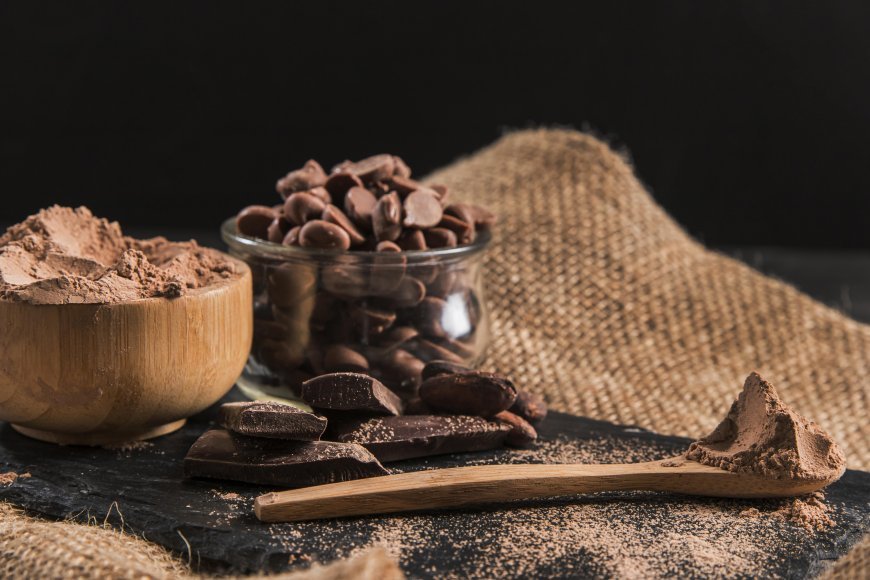
Dark chocolate may seem harmless, but it’s surprisingly stimulating. It contains caffeine and theobromine, both of which activate the nervous system. Consuming dark chocolate at night can delay sleep onset or cause vivid, fragmented dreaming, making it harder to rest deeply.
Eating nuts like almonds or cashews in high-fat form may weigh you down
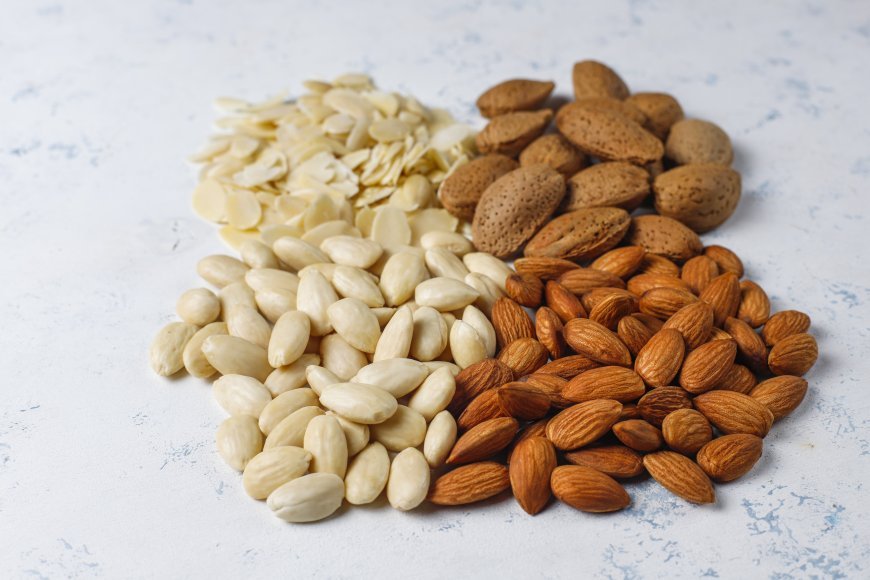
While nuts are nutritious, their concentration of healthy fats makes them heavy. Eating them before bed can load your digestive system, resulting in sluggishness or discomfort. For individuals with sensitive stomachs, this can translate into difficulty sleeping or a restless night.
Dairy products such as yogurt may lead to bloating and disturbed rest

Yogurt and other dairy items can be soothing during the day, but at night they may lead to bloating or increased acidity in those with sensitive digestion. The body’s slower digestive pace during sleep makes it harder to process dairy, potentially disrupting sleep quality and leading to nighttime discomfort.
Highly spiced or oily foods provoke acid and disrupt your natural cooling

Rich curries, spicy snack mixes, or oily fried meals elevate body temperature and digestive stress. Capsaicin in spicy foods raises internal heat and encourages acid production, both of which interfere with the body’s natural overnight temperature drop—an essential part of good sleep.
Eating heavy, fatty foods late hinders deep sleep and may trigger nightmares
Large meals rich in saturated fats—like burgers or fried chicken—take longer to digest. This extra digestive effort can interrupt slow-wave sleep, which is crucial for restorative rest. Studies even link such meals to more frequent wake-ups and poorer sleep phases, including an increase in vivid or disturbing dreams.
Snacks high in sugar or refined carbs can spike blood sugar and cause night wakings
Sugary cereals, desserts, and salty snack foods often cause a rapid rise and fall in blood sugar. This fluctuation can produce restlessness, nighttime awakenings, or difficulty staying asleep. Combined with their poor satiety, these foods may cause hunger later in the night or reduce sleep continuity.
Caffeinated beverages and alcohol blunt melatonin production and fracture sleep
Beverages with caffeine—coffee, tea, soda—should be avoided at least four to six hours before bed, as they interfere with melatonin release and may trigger insomnia or restless sleep. Similarly, alcohol may initially induce drowsiness, but its after-effects fragment REM sleep and cause more waking later in the night, reducing sleep quality overall.
Eating too close to bedtime leaves your digestive system working when it should rest
Nutrition experts recommend stopping meals two to three hours before bedtime to reduce the workload on your digestive system. Late meals elevate blood sugar, increase acid reflux risk, and contribute to weight gain. A light snack with balanced nutrients is preferable when needed, but major meals should end earlier to support natural sleep cycles.
Some foods actually support sleep if chosen carefully—and timing is key
That said, not all pre-bedtime eating is harmful. Certain foods like kiwi, cherries, bananas, nuts in moderation, and warm milk mixtures with sleep-promoting spices can support melatonin production, tryptophan, or muscle relaxation. For those truly needing a small snack, keeping it under 200 calories and low in sugar helps stabilize blood sugar and encourage smoother sleep transitions.
Digestive discomfort and nightmares often stem from combining large, late, or stimulating meals
Research shows that heavy, spicy, or high-sugar late meals can contribute to fragmented sleep and vivid dreams. Certain individuals—especially those with lactose intolerance or sensitive digestion—report more nightmares or disrupted REM sleep when eating dairy, sweets, or spicy food before bed.
Maintaining good sleep hygiene can enhance the benefits of smart eating habits
Alongside dietary awareness, following good sleep hygiene—such as consistent sleep schedules, cool and dark sleeping environments, and limiting screen time before bed—reinforces sleep quality. Avoiding stimulants, large meals, and heavy liquids close to sleep supports biological rhythms and promotes more restorative rest.
Understand your body’s response and personalize nighttime food habits
Every person metabolizes food differently. Some may digest nuts or mild yogurt without issue, while others find even light meals disruptive. Monitor how your diet affects your rest patterns, and adjust accordingly. If sleep problems persist, consulting with a dietitian or sleep specialist can lead to personalized improvements.
Disclaimer
This article is written based on evidence and expert-backed research on how food affects overnight rest. It contains no speculation or promotional content. Myhospy.com is not responsible for any sleep issues; consult a healthcare professional for personalized advice.
What's Your Reaction?
 Like
0
Like
0
 Dislike
0
Dislike
0
 Love
0
Love
0
 Funny
0
Funny
0
 Angry
0
Angry
0
 Sad
0
Sad
0
 Wow
0
Wow
0